Hiring an SEO consultant is a decision that affects your traffic, leads, and revenue for months or even years. That’s why so many business owners look at testimonials first. Social proof is useful, but only if you know how to read it.
If you’re researching ben stace semantic seo testimonials, this guide shows you what to look for, what to verify independently, and which questions to ask before you sign anything. The advice applies to any SEO provider, so use it as a checklist for every option on your shortlist.
What Is Semantic SEO?
Semantic SEO focuses on meaning and context rather than isolated keywords. Instead of repeating a phrase, a semantic approach builds content around topics, related entities, and the questions searchers actually have. In practice, that usually includes:
- Topic clusters: a main page supported by related articles that cover a subject in depth.
- Entity and context coverage: using the related terms, people, places, and concepts that search engines expect to see.
- Search intent matching: making sure each page answers what the searcher wants.
- Structured data and internal linking: helping search engines understand how your content connects.
Because semantic SEO is a specialized approach, it’s fair to expect a provider to explain it clearly and show how it translates into business results.
Why Testimonials Matter (and Where They Fall Short)
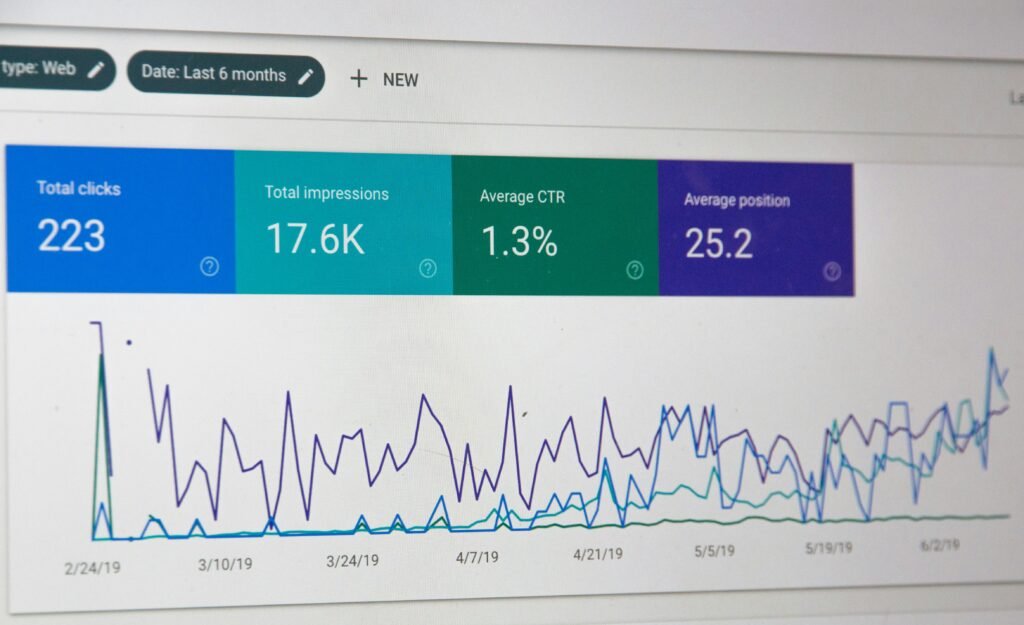
Testimonials show that real people have worked with a provider and had an experience worth talking about. They can reveal communication style, reliability, and general satisfaction.
But testimonials have limits:
- They are usually selected by the provider, so they lean positive.
- They often describe feelings (“great to work with”) rather than measurable outcomes.
- They rarely include context, such as the client’s industry, starting point, budget, or timeline.
- They can be hard to verify if there’s no name, company, or link.
When you read ben stace semantic seo testimonials, treat them as a starting point for your research, not the final answer.
7 Things to Check in Any Testimonial
1. Is the person real and identifiable?
Look for a full name, job title, company, and ideally a photo or link to a profile. Anonymous quotes such as “J.S., business owner” carry much less weight.
2. Does it include specific results?
Strong testimonials mention concrete outcomes: increased organic traffic, more leads, better rankings for specific topics, or improved conversions. Vague praise is a weaker signal than measurable change.
3. Is the timeframe stated?
SEO takes time. A testimonial that says “we saw growth” is more useful when it also says over what period. Be skeptical of anything promising overnight results.
4. Is the client similar to you?
Results for a large publisher may not translate to a local service business, and the reverse is also true. Look for testimonials from clients in your industry, size range, and market.
5. Where is it published?
Testimonials on the provider’s own website are marketing. Reviews on independent platforms such as Google, LinkedIn recommendations, or third-party review sites are harder to curate. Check both.
6. Are there negative or mixed reviews?
No provider satisfies everyone. A profile with only perfect reviews can be less believable than one with mostly positive feedback and a few honest, well-handled critiques.
7. Can you speak to the client directly?
The best test is a short call or email with a past client. Ask what the provider did, how communication went, and whether results matched expectations.
Verify Beyond the Testimonials
Even the most convincing ben stace semantic seo testimonials should be backed by other evidence:
- Case studies with before-and-after data, such as traffic, rankings, or leads.
- Published work, such as articles, talks, or content that shows how the provider thinks about SEO.
- Their own site’s performance. Does their website rank for topics they claim expertise in?
- Clear service descriptions covering what you receive, how often, and how progress is reported.
If a provider offers testimonials but can’t explain their process or show evidence, that’s a signal to dig deeper.
Questions to Ask Before You Hire
Whoever you’re considering, ask:
| Question | Why It Matters |
|---|---|
| What exactly will you do in the first 90 days? | Reveals whether there’s a real plan |
| How do you measure success? | Ensures goals match your business, not just rankings |
| Can I speak with a past client in my industry? | Lets you verify testimonials directly |
| How often will we communicate and what will reports include? | Sets expectations for transparency |
| What are the contract terms and cancellation policy? | Protects you if results lag |
| Who does the work? | Clarifies whether it’s the person you’re meeting or a subcontractor |
| What do you need from me? | Shows how collaborative the process will be |
Red Flags to Watch For
- Guaranteed rankings or guaranteed traffic numbers
- Testimonials with no names, dates, or details
- Reluctance to provide references or case studies
- Pressure to sign quickly
- No clear explanation of methods, especially if they’re described only as a “secret” formula
- Pricing far below or above the market with no clear reason
Compare Before You Commit
Reading ben stace semantic seo testimonials is a smart step, but it shouldn’t be your only one. Compare at least two or three providers on the same criteria: scope of work, pricing, reporting, contract flexibility, and proof of results. A side-by-side view often makes the best fit obvious.
If you’d like another option on your list, MWT Media offers SEO services built around clear goals, transparent reporting, and measurable outcomes. We’re happy to walk you through our process, share what you can expect, and answer the same tough questions listed above. Contact us for a free consultation and see how we compare.
Final Thoughts
Testimonials are helpful, but they work best as one piece of a bigger picture. Check who is speaking, what results they describe, and whether you can verify them. Then confirm the details through case studies, independent reviews, and direct conversations. With that approach, you can read ben stace semantic seo testimonials, or any provider’s feedback, with confidence and make a decision based on evidence rather than impressions.