With AI-driven search, semantic algorithms, and constant talk of “content over keywords,” it’s fair to ask: do keywords matter in SEO anymore? Some marketers claim keywords are a thing of the past, while others still build entire strategies around them. So what’s actually true?
The short answer: yes, keywords still matter in SEO — but how they matter has changed significantly. In this article, we’ll break down exactly why keywords remain important, how search engines use them today, and how to use them effectively without falling into outdated habits.
Do Keywords Matter in SEO Today?
To answer do keywords matter in SEO directly: yes, they do — but not in the way they used to. Search engines like Google no longer rely on simple keyword matching. Instead, they use natural language processing to understand the intent behind a search query, not just the exact words typed in.
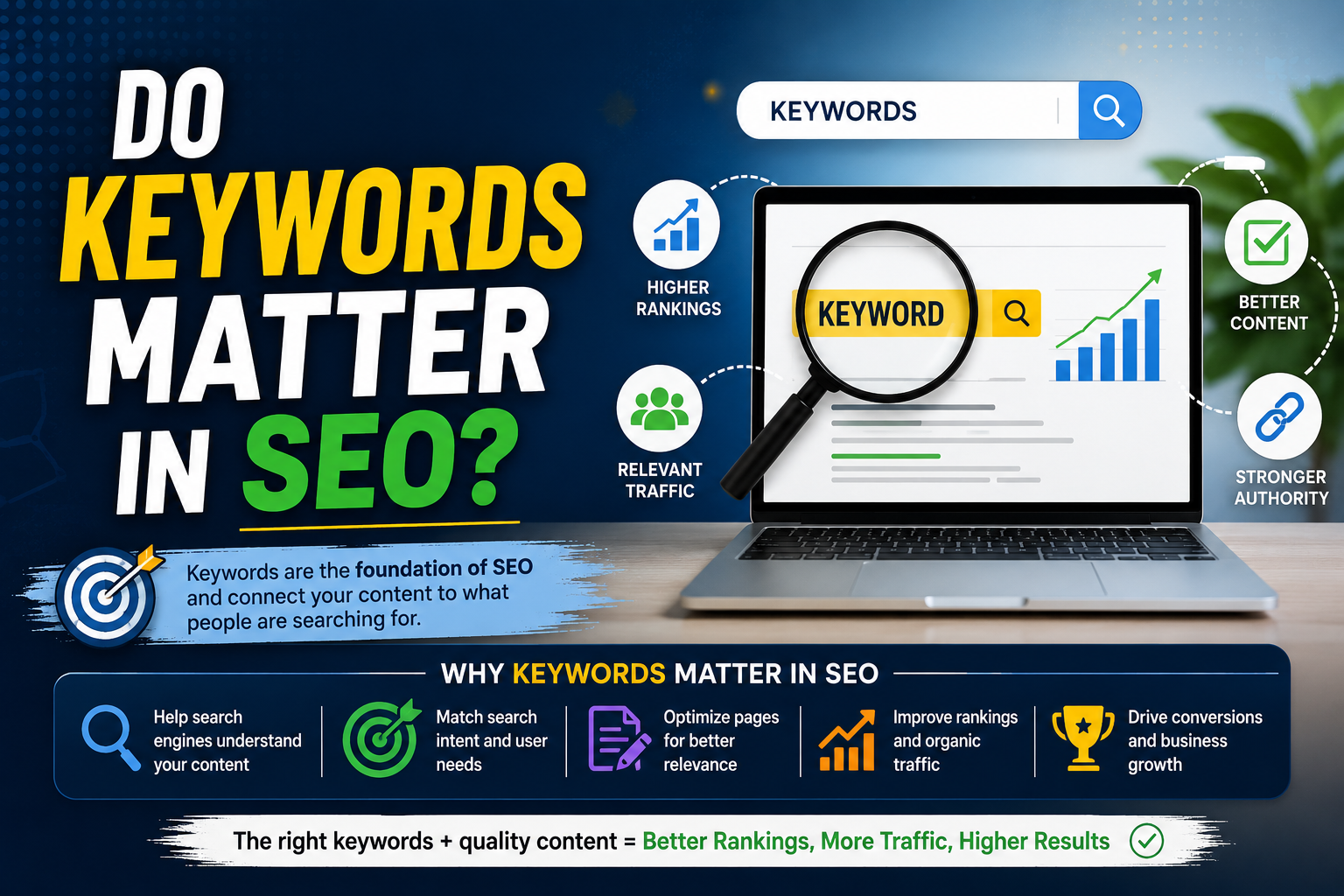
This means keywords are still the foundation of SEO, but they now serve as a guide for topic relevance rather than a formula to repeat as many times as possible.
Why Keywords Still Matter in SEO
1. They Signal Relevance
- Keywords help search engines understand what a page is about. Without relevant keywords in your titles, headers, and content, search engines have a harder time matching your page to the right search queries.
2. They Reflect User Intent
- Good keyword research reveals what your audience is actually searching for — their language, their questions, their pain points. This insight shapes not just SEO, but content strategy as a whole.
3. They Guide Content Structure
- Keywords help organize content logically, ensuring pages address the specific topics and subtopics that both users and search engines expect to see.
4. They Support Competitive Analysis
- Understanding which keywords competitors rank for helps identify content gaps and opportunities you might otherwise miss.
How Keyword Use Has Changed
From Keyword Stuffing to Natural Integration
- Years ago, repeating a keyword dozens of times could boost rankings. Today, that same tactic can trigger penalties. Modern SEO favors natural, reader-friendly keyword placement over forced repetition.
From Exact Match to Semantic Search
- Search engines now understand synonyms, related terms, and context. A page can rank well for a keyword even without using the exact phrase word-for-word, as long as the content thoroughly covers the topic.
From Single Keywords to Topic Clusters
- Rather than targeting one keyword per page, modern SEO strategies build content around broader topics, using clusters of related keywords and questions to demonstrate depth and authority.
So, Do Keywords Matter in SEO for Rankings?
Yes — keyword research still plays a critical role in shaping what content gets created and how it’s structured. But rankings today depend on far more than keywords alone, including:
- Content quality and depth
- Page experience and site speed
- Backlink authority
- User engagement signals
- E-E-A-T (Experience, Expertise, Authoritativeness, Trustworthiness)
Keywords are the starting point, not the whole strategy.
Best Practices for Using Keywords in 2026
- Use keywords in key places — titles, headers, meta descriptions, and naturally within the body.
- Prioritize search intent over exact-match phrasing.
- Avoid keyword stuffing — write for readers first, search engines second.
- Target topic clusters, not just individual keywords.
- Use tools like Ahrefs, SEMrush, or Google Keyword Planner to find relevant terms and search volume.
- Monitor performance and refine based on what’s actually driving traffic and conversions.
Final Verdict: Do Keywords Matter in SEO?
So, do keywords matter in SEO? Absolutely — they remain a foundational part of how search engines understand and rank content. What’s changed is the approach: success today comes from using keywords strategically and naturally, not from stuffing them in as many times as possible.
If you’re wondering whether keywords still matter in SEO for your own website, the answer is yes — but pair them with high-quality, intent-driven content, and you’ll get far better results than keywords alone could ever deliver.