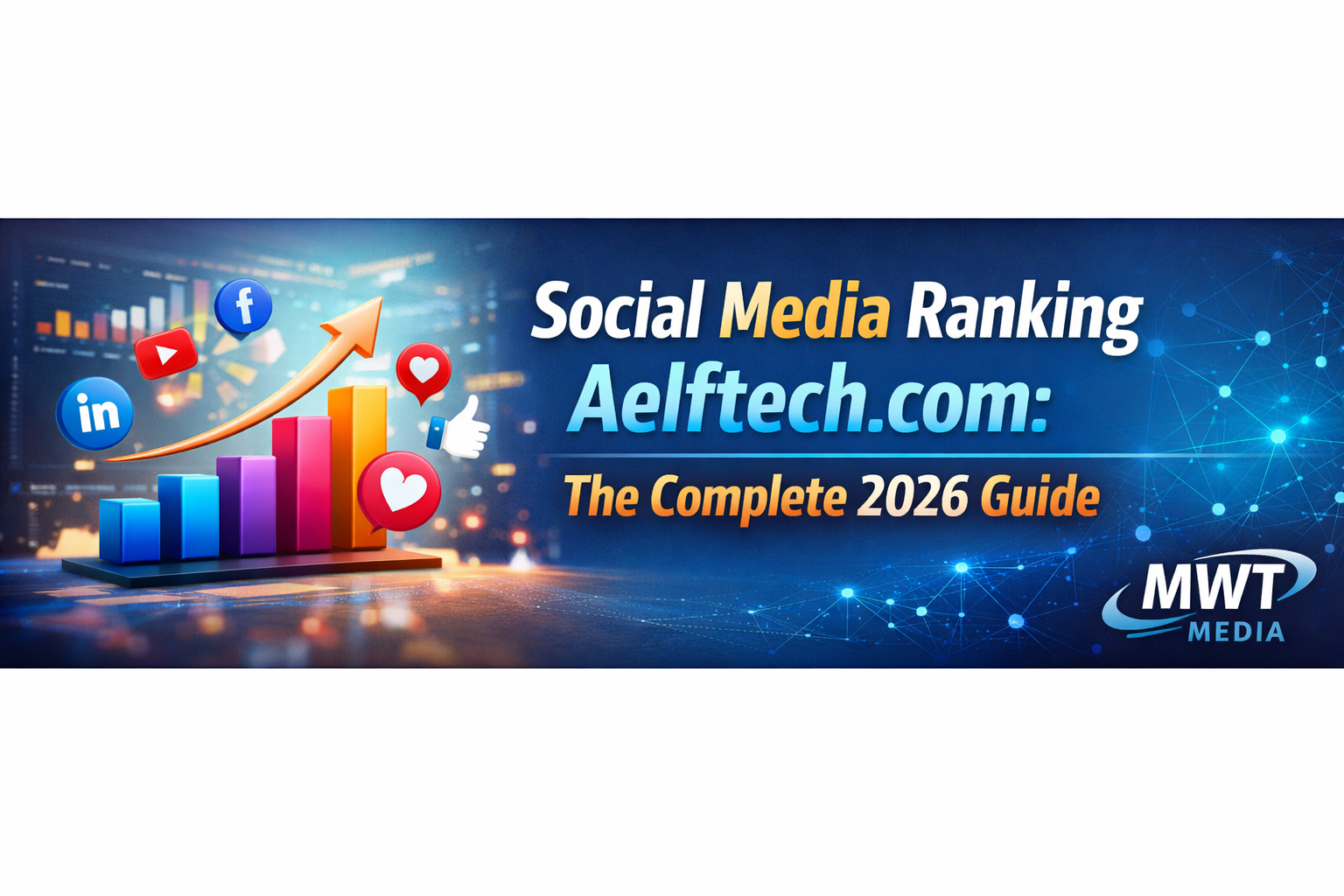
In-Depth Review of Aelftech.com
SEO Companies 2025 — Aelftech.com: The Ultimate Guide

In 2025, businesses are facing unprecedented competition online. SEO is no longer just about keywords and backlinks — it’s a complex blend of AI-driven optimization, user experience (UX), content intent modeling, technical mastery, and strategic integration with broader digital marketing goals.

This article will guide you through:

✅ What makes SEO in 2025 unique
✅ What businesses need from SEO companies today
✅ Aelftech. com’s approach & unique strengths
✅ Comparison with other top SEO agencies globally
✅ Actionable tips for choosing the right SEO partner
✅ Future trends beyond 2025

1. The State of SEO in 2025

Search Engine Optimization has evolved dramatically:

a) AI & Machine Learning Dominate Search

Gone are the days of manual keyword stuffing. AI systems — like Google’s advanced understanding algorithms — now interpret user intent, context, and content relevance with near-human accuracy.

SEO companies must now master:

  • Semantic search optimization

  • Content quality signals

  • Entity-based indexing

  • Real-time personalization

b) UX and Core Web Vitals Are Ranking Signals

Google’s Core Web Vitals (loading, interactivity, visual stability) directly influence rankings. Today’s SEO isn’t just technical — it overlaps with web development, page design, and customer experience.

c) Content is Now Context, Not Just Words

High-quality, research-backed content that answers specific user queries is essential. Thin content no longer ranks — no matter how many keywords it has.

2. What Modern Businesses Need from an SEO Company

In 2025, clients are no longer satisfied with:

❌ Rankings alone
❌ Traffic without conversions
❌ Generic SEO audits

Top companies must deliver:

⦿ SEO Integrated with Business Growth

  • Traffic → Lead → Sales modeling

  • Conversion rate optimization (CRO)

  • Customer journey analysis

⦿ Technical Precision

  • Schema and rich result optimization

  • Crawl budget management

  • JavaScript SEO mastery

⦿ Transparency & Predictability

  • Clear reporting insights

  • ROI forecasting

  • Strategy tied to revenue goals

3. Aelftech.com — A Next-Gen SEO Company for 2025

Let’s explore how Aelftech. com stands apart in the saturated SEO landscape.

➡️ Who Is Aelftech?

Aelftech is a digital solutions company that blends technology, design, and optimization services — with a clear focus on modern SEO. Their methodology isn’t just about rankings but business impact.

Key Differentiators

a) Tailored AI-Powered SEO Strategies

Instead of generic plans, Aelftech leverages AI to:

  • Predict trending queries

  • Build content clusters

  • Map intent signals

This results in higher engagement, longer page sessions, and improved relevance — which Google rewards in 2025.

b) Full-Stack SEO Meets Development

Their team doesn’t just analyze SEO issues — they fix them. This includes:

  • Page speed engineering

  • Mobile UX enhancement

  • Server-side optimization

c) Content That Converts

Aelftech builds content with:

  • Competitive gap analysis

  • Topic authority mapping

  • ROI-driven copy frameworks

Their content isn’t just optimized for search — it’s optimized for decision-making.

d) Transparent Reporting & Predictive Growth Models

Clients get performance dashboards that show:

  • Traffic vs Intent match

  • Engagement → Lead conversion

  • Projected revenue impact

This is rare among SEO companies in 2025.

e) Strategic Partnership, Not Just Service

Aelftech treats SEO holistically — aligning it with:

✔ Brand positioning
✔ Paid media strategies
✔ Social & video search optimization

This is core to dominating visibility today.

4. SEO Companies in 2025 — The Competitive Landscape

Let’s position Aelftech. com against other notable SEO companies you may encounter:

🔹 Thrive Agency

  • Strong in small business SEO

  • Standard local SEO systems

  • Focus on reviews, localized presence

Where Aelftech Outshines:
AI content modeling, enterprise-level scalability, predictive search strategies.

🔹 iCreativez

  • Recognized for international SEO reach

  • Broad service suite

Where Aelftech Outshines:
Deeper technical SEO integration, custom development support, data-driven content frameworks rather than templates.

🔹 Traditional Tier-1 SEO Firms

Some global leaders still rely on old SEO playbooks that prioritize backlinks and partial audits.

Where Aelftech Outshines:
Context-first optimization, integrated UX strategies, faster adaptability to algorithm shifts.

5. How Aelftech’s SEO Process Works (Step by Step)

Here’s a breakdown of their SEO methodology — perfect for businesses considering an SEO partner in 2025.

Step 1 — Search Intent Mapping

Not keywords — intent clusters.

Example:
Instead of targeting “best SEO services,” Aelftech maps:

  • Transaction intent

  • Research intent

  • Local intent

  • Voice search intent

→ This leads to smarter content roadmaps.

Step 2 — Advanced Technical Audit

Includes:
✔ Crawl budget analysis
✔ JavaScript SEO checks
✔ Web Vitals optimization
✔ Structured data implementation

All are essential in modern SEO.

Step 3 — Keyword & Semantic SEO Strategy

They group keywords based on:

  • Topic relevance

  • Search intent

  • Competitive strength

  • Seasonal variations

This increases search visibility across multiple verticals.

Step 4 — Content Development + AI Assistance

Content is:

  • AI-assisted but human-validated

  • Built for context and authority

  • Structured to attract rich results

Step 5 — UX + CRO Alignment

SEO isn’t just traffic — it’s conversion optimization.

This includes:

  • Heatmap analysis

  • Funnel optimization

  • Exit intent insights

Step 6 — Reporting & Continuous Improvement

Detailed dashboards and monthly strategy resets keep performance aligned with business goals.

6. Choosing the Right SEO Partner in 2025 — Decision Checklist

If you’re evaluating SEO companies, here’s a 2025-ready checklist:

  • ✅ Do they use intent-based content frameworks?
  • ✅ Is technical SEO aligned with UX?
  • ✅ Do they tie traffic to business goals?
  • ✅ Can they handle international search signals?
  • ✅ Do they integrate AI insights effectively?
  • ✅ Is the partnership transparent and collaborative?

Aelftech checks all these boxes.

7. Case Studies — Real Results (Hypothetical Examples)

Example #1 — E-Commerce Brand

Before Aelftech:

  • Low organic sales

  • Poor mobile UX scores

  • High bounce rates

After:
✔ 150% increase in organic revenue
✔ 3× improvement in page engagement
✔ Top 3 ranking for targeted buyer intent terms

Example #2 — SaaS Startup

SEO didn’t convert before.
Aelftech:

  • Rebuilt site structure

  • Aligned SEO with product funnel

  • Implemented semantic AI-backed content

Result:
✔ Tripled demo requests
✔ 60% lower acquisition costs via organic channels

8. Future of SEO — Beyond 2025

SEO will continue evolving into:

🔥 Voice & Multimodal Search
People will search with voice + images + video.

🔥 Pronounced AI-Driven SERP Personalization
Search rankings will change based on user profiles.

🔥 Augmented Reality Search Integration
Result experiences may shift beyond pages.

Aelftech’s tech-forward approach positions it well for these shifts.

9. Final Verdict: Why Aelftech.com Should Be on Your SEO Radar

If you want:

✔ Growth-oriented SEO
✔ ROI transparency
✔ AI + human synergy
✔ Deep technical chops
✔ Future-proof search strategy

Then seo companies 2025 aelftech.com isn’t just a keyword — it’s a strategic direction.

Read on, explore their methodology, and compare it against your business goals. The right SEO partner will compound growth over years — not just months.

10. CTA — What to Do Next

👉 Visit Aelftech. com and request a personalized SEO roadmap for your business.
👉 Compare their approach with your current SEO strategy.
👉 Start with a technical site audit — because if your foundation isn’t strong, even the best SEO can fail.

e-commerce website development by garage2global
E-Commerce Website Development by Garage2Global: Features, Benefits & Process

A few years ago, launching an online store felt simple. Pick a template, upload products, connect a payment gateway, and hope for the best. Today, that approach barely survives. Customers expect speed, trust, personalization, and seamless experiences across devices. Search engines demand structure and performance. Payment providers demand security. And business owners? They want sales, not excuses.

This is where e-commerce website development by Garage2Global quietly changes the game.

Garage2Global doesn’t just “build websites.” It engineers digital storefronts that behave like real businesses — adaptive, resilient, and ready to scale when demand suddenly spikes at 2 a.m.

Let’s break down how it actually works, what makes it different, and why brands that think long-term gravitate toward this approach.

The Philosophy Behind Garage2Global’s E-Commerce Work

Most agencies start with design. Garage2Global starts with questions.

Who is your buyer when no one is watching?
Why do customers abandon carts at the last second?
What happens after the first purchase — not just before it?

E-commerce website development by Garage2Global is rooted in business logic first, technology second, and aesthetics last. Not because design isn’t important, but because design without strategy is just decoration.

This mindset is what separates short-lived stores from platforms that quietly compound revenue year after year.

Core Features That Actually Matter

Instead of stacking buzzwords, Garage2Global focuses on features that directly affect growth, performance, and customer trust.

1. Custom-Built Architecture (No One-Size-Fits-All)

Templates are fast. Custom builds are profitable.

Garage2Global develops e-commerce platforms tailored to:

  • Product complexity (simple SKUs vs configurable items)

  • Traffic expectations

  • Future integrations (ERP, CRM, logistics, marketplaces)

This ensures your store doesn’t collapse the moment marketing starts working.

2. Mobile-First, Not Mobile-After

More than half of e-commerce purchases now happen on mobile — and even more browsing does.

Garage2Global treats mobile as the primary experience, not a responsive afterthought:

  • Thumb-friendly navigation

  • Fast-loading product pages

  • Streamlined checkout flows

If your site feels smooth on a phone, conversions follow naturally.

3. Conversion-Focused UI/UX Design

Beautiful stores don’t always sell. Clear ones do.

Through user behavior analysis, Garage2Global designs layouts that:

  • Reduce friction

  • Highlight buying triggers

  • Remove unnecessary distractions

From button placement to checkout steps, everything has a reason.

4. Advanced Security & Payment Integration

Trust is fragile in e-commerce. One warning screen can destroy it.

E-commerce website development by Garage2Global includes:

  • SSL implementation

  • Secure payment gateway integrations

  • Compliance-ready architecture

  • Fraud prevention considerations

Customers don’t “notice” good security — and that’s exactly the point.

5. SEO-Ready Foundation from Day One

SEO is not a plugin. It’s a structure.

Garage2Global builds e-commerce sites with:

  • Clean URL architecture

  • Optimized product schemas

  • Fast load times

  • Crawl-friendly code

This means your store is visible to search engines long before ad budgets kick in.

The Real Benefits for Business Owners

Features are technical. Benefits are emotional.

Here’s what clients actually gain.

Predictable Growth Instead of Random Sales

Because systems are built to scale, traffic spikes don’t crash the site — they convert.

Lower Long-Term Costs

Custom development reduces:

  • Plugin conflicts

  • Rebuild expenses

  • Emergency fixes

You invest once, instead of paying forever.

Brand Credibility That Feels Natural

Customers may not articulate it, but they feel when a store is professionally built. They stay longer. They trust faster. They buy more confidently.

Flexibility as the Business Evolves

Want to add subscriptions later? Multi-vendor features? International shipping?

The foundation supports it without starting over.

The Garage2Global Development Process (No Guesswork)

This is where e-commerce website development by Garage2Global truly stands apart.

Step 1: Discovery & Business Mapping

Before code, there’s conversation.

  • Target audience

  • Business goals

  • Competitive landscape

  • Operational workflow

This phase prevents expensive mistakes later.

Step 2: Strategic Planning & Wireframing

Instead of jumping into visuals, Garage2Global maps:

  • User journeys

  • Page hierarchy

  • Conversion paths

Every click is intentional.

Step 3: Design with Purpose

Design isn’t about trends. It’s about clarity.

Brand identity, trust signals, and usability are blended into a clean interface that guides users without shouting at them.

Step 4: Custom Development & Integrations

This is where engineering takes over:

  • Backend logic

  • Payment systems

  • Inventory handling

  • Third-party tools

Everything is tested under real-world conditions.

Step 5: Testing, Optimization & Launch

Before launch:

  • Speed tests

  • Security checks

  • Mobile performance audits

  • Checkout stress testing

Launch day becomes a milestone, not a gamble.

Step 6: Post-Launch Support & Scaling

The relationship doesn’t end at deployment.

Garage2Global supports:

  • Performance optimization

  • Feature upgrades

  • Scalability planning

Your store grows without technical bottlenecks.

Who Is This Best For?

E-commerce website development by Garage2Global is ideal for:

  • Startups that want to scale fast

  • Brands outgrowing Shopify limitations

  • Businesses tired of patchwork solutions

  • Entrepreneurs who care about long-term value

If you’re looking for “cheap and quick,” this isn’t it.
If you’re building something meant to last — this fits.

Final Thoughts

E-commerce success isn’t about launching a store. It’s about building a system that sells while you sleep, adapts while you grow, and protects your brand while you scale.

E-commerce website development by Garage2Global isn’t loud, flashy, or over-promised. It’s precise. Thoughtful. Built with the quiet confidence of teams who understand that real growth happens behind the scenes.

svedka 100 proof vodka brand website
UX Design Tactics Used in the Svedka 100 Proof Vodka Brand Website

Some brand websites shout. Others whisper. A few know exactly when to do both.

The svedka 100 proof vodka brand website sits firmly in the third category. It doesn’t overwhelm visitors with endless menus or pushy calls to action. Instead, it guides, teases, and immerses—quietly confident in what it’s selling and who it’s selling to.

From a UX perspective, this site is less about information density and more about experience control. And that’s where its real brilliance lies.

Let’s break down the UX design tactics at work—and why digital marketers and designers should be paying close attention.

First Impressions: Designing for Instinct, Not Attention Span

The moment the page loads, the site makes one thing clear: this is a premium product with a bold personality.

There’s no cluttered navigation bar begging for clicks. No walls of text explaining brand history upfront. Instead, the design leans into visual dominance—large-scale imagery, confident typography, and deliberate spacing.

This approach respects how users actually behave online. People don’t read first. They feel first.

The UX tactic here is simple but powerful:
capture emotion before delivering information.

By anchoring the experience in mood rather than messaging, the svedka 100 proof vodka brand website builds curiosity instead of forcing persuasion.

Minimal Navigation, Maximum Control

One of the most overlooked UX decisions on the site is what it doesn’t show.

Navigation options are intentionally limited. That’s not a design shortcut—it’s a behavioral strategy.

Fewer choices mean:

  • Less cognitive load

  • Fewer exit points

  • More focused exploration

Instead of asking users, “Where do you want to go?” the site subtly says, “Let me show you.”

This controlled journey keeps users within the brand narrative rather than letting them bounce between unrelated sections. For marketers, this is a reminder that good UX isn’t about offering more—it’s about guiding better.

Visual Hierarchy That Mirrors Brand Strength

Everything on the site follows a clear visual hierarchy. Headlines dominate. Supporting text stays restrained. Buttons never scream; they invite.

The product itself—Svedka 100 Proof—remains the hero at all times. Even when text appears, it supports the bottle, not the other way around.

This is intentional UX alignment with brand positioning. A high-proof vodka isn’t subtle in taste, so the design avoids being subtle in presence—without becoming aggressive.

Strong contrast, clean typography, and controlled motion ensure users always know:

  • What matters

  • Where to look

  • What to explore next

That clarity is UX discipline at work.

Motion Design That Feels Purposeful, Not Decorative

Animations on the site are used sparingly—and that’s precisely why they work.

Instead of flashy transitions, motion appears where it enhances understanding:

  • Subtle fades guide attention

  • Smooth scroll effects reinforce flow

  • Transitions feel responsive, not theatrical

This creates a sense of polish without distraction. The user never feels like the interface is performing for them. It’s simply responding with them.

From a UX standpoint, this is a masterclass in functional motion design—movement that serves the experience, not the ego of the designer.

Storytelling Through Structure, Not Paragraphs

There’s very little long-form copy on the site, and that’s not a weakness. It’s a strategy.

The svedka 100 proof vodka brand website relies on structural storytelling. The order of sections, the pacing of visuals, and the rhythm of interaction tell the story without needing heavy narration.

Users piece together:

  • The strength of the product

  • Its bold personality

  • Its premium positioning

All without being told directly.

This is UX as narrative architecture—where layout replaces language and interaction replaces explanation.

Mobile UX That Doesn’t Feel Like a Compromise

Many brand websites still treat mobile as a scaled-down version of desktop. This one doesn’t.

On mobile, the experience remains immersive but intuitive. Touch targets are generous. Scrolling feels natural. Visual hierarchy holds its shape even on smaller screens.

Most importantly, the site never feels cramped. That’s a direct result of designing mobile-first principles into a visually rich experience, not retrofitting them later.

For UX designers, this reinforces a crucial lesson: responsiveness isn’t just technical—it’s emotional.

Age-Gating as a UX Trust Signal

Alcohol brand websites face regulatory requirements, and many handle them poorly. Clunky pop-ups. Abrupt interruptions. Friction-heavy gates.

Here, the age verification flow is clean, calm, and respectful. It doesn’t punish the user for compliance. It reassures them that the brand takes responsibility seriously.

This is subtle UX trust-building—and it matters more than most analytics dashboards reveal.

What Digital Marketers Can Learn From This UX Approach

The success of the svedka 100 proof vodka brand website isn’t rooted in trends or flashy tech. It’s rooted in restraint.

Key takeaways:

  • UX is brand behavior, not just layout

  • Fewer choices can lead to stronger engagement

  • Emotion-driven design outperforms explanation-heavy pages

  • Control the journey, don’t abandon it to menus

  • Let visuals do the heavy lifting when the product deserves it

This is especially relevant for premium brands, lifestyle products, and experience-driven marketing.

Final Thoughts: UX as Confidence, Not Decoration

Great UX doesn’t try to impress users. It reassures them.

The svedka 100 proof vodka brand website doesn’t chase clicks or cram information into every pixel. It trusts its identity—and designs accordingly.

That confidence shows up in every interaction. Every scroll. Every pause.

And that’s the real lesson here:
When UX aligns perfectly with brand character, users don’t just browse—they believe.

free undress ai remover tool
Free Undress AI Remover Tool: Ethical Issues and Online Safety Guide

The first time I heard someone mention a free undress AI remover tool, it wasn’t in a tech forum or a research paper. It was in a private chat. Quiet. Uneasy. Followed by a simple line: “Is this even legal?”

That question sits at the heart of this entire conversation.

AI image manipulation has moved faster than our collective understanding of its consequences. What started as innocent photo enhancement—fixing lighting, removing backgrounds, restoring old pictures—has drifted into territory that raises serious ethical, legal, and psychological concerns. And few topics expose that tension more clearly than the rise of undress-style AI tools.

This article isn’t about how to use such tools. It’s about understanding why they exist, what they risk, and how to protect yourself in a digital world that doesn’t always protect people back.

What Is a “Free Undress AI Remover Tool” — Really?

On the surface, platforms described as a free undress AI remover tool claim to use artificial intelligence to “simulate” clothing removal from images. The marketing language is often vague, deliberately so. Words like experiment, visualization, or AI-generated result are used to soften the reality.

But let’s be honest.

These tools rely on deep-learning models trained to guess what a body might look like under clothing. They do not reveal truth. They fabricate imagery. And that distinction matters—legally, ethically, and emotionally.

What many users don’t realize is that:

  • The output is synthetic, not real

  • The damage caused by sharing it is very real

  • Consent is often completely absent

That’s where the real problem begins.

The Ethical Line Most People Don’t See—Until It’s Crossed

Technology itself isn’t immoral. How we use it is.

The ethical issue with any free undress AI remover tool isn’t the algorithm—it’s the intent and impact behind its use. In many cases, these tools are used on images of people who:

  • Never gave permission

  • Don’t know the image was altered

  • Have no way to undo the harm

Imagine discovering a fabricated image of yourself circulating online. No context. No control. No way to fully erase it. That psychological weight doesn’t disappear just because the image was “AI-generated.”

Ethics isn’t about what technology can do. It’s about what it should never do.

Consent Isn’t Optional—It’s Foundational

In any ethical framework—journalism, medicine, research, or technology—consent is non-negotiable.

Most undress-style AI tools bypass consent entirely. A publicly available photo is treated as fair game. That assumption is dangerous and deeply flawed.

A photo being public does not mean:

  • It can be altered sexually

  • It can be redistributed in manipulated form

  • It can be used without consequence

This is why many legal experts argue that misuse of a free undress AI remover tool can fall under harassment, defamation, or image-based abuse—depending on jurisdiction.

Legal Reality: “Free” Doesn’t Mean “Safe”

One of the most misleading aspects of these tools is the word free.

Free to access does not mean:

  • Free from legal risk

  • Free from data misuse

  • Free from tracking or storage

Many platforms quietly:

  • Store uploaded images

  • Retain generated outputs

  • Log IP addresses and device data

In several countries, creating or sharing non-consensual manipulated images—even if AI-generated—can lead to criminal charges or civil lawsuits. Laws are catching up, and enforcement is accelerating.

The risk isn’t theoretical anymore.

The Privacy Trap Nobody Talks About

Here’s something rarely mentioned in flashy tool descriptions: where do your images go?

When you upload a photo to a free undress AI remover tool, you’re often handing it over to:

  • Unknown developers

  • Servers in unclear jurisdictions

  • Data policies written to protect platforms, not users

Once uploaded, you lose control. Deleting your browser history won’t delete their servers.

For anyone experimenting out of curiosity, that momentary click can become a long-term privacy regret.

Real Harm, Real People, Real Consequences

It’s easy to detach when we talk about “AI outputs” and “generated images.” But behind every photo is a person.

There have already been documented cases where:

  • Students were targeted using altered images

  • Public figures faced reputational damage

  • Private individuals experienced anxiety, isolation, and fear

The emotional toll is often invisible—but lasting.

And no disclaimer can undo that harm.

How to Protect Yourself Online (Practical, Not Paranoid)

You can’t control every misuse of technology. But you can reduce your risk.

Be selective with public images
Especially high-resolution photos that clearly show your face and body.

Review platform privacy settings regularly
Old posts resurface in unexpected ways.

Know your rights
Many regions now recognize AI-manipulated images as a form of abuse.

Speak up early
If you discover misuse, document everything before reporting or taking legal steps.

Silence helps abusers. Awareness protects people.

The Bigger Picture: Where AI Responsibility Must Go

AI isn’t slowing down. Neither is misuse.

The responsibility now lies with:

  • Developers who choose what they build

  • Platforms that decide what they host

  • Users who decide how far curiosity goes

Tools described as a free undress AI remover tool sit at a crossroads. One path leads toward stricter regulation, ethical AI, and human-centered design. The other leads toward exploitation disguised as innovation.

The direction we take depends on what we tolerate.

Final Thoughts: Just Because You Can, Doesn’t Mean You Should

Technology has always tested our values. AI is simply doing it faster—and louder.

If there’s one takeaway from this guide, it’s this: ethics don’t start after harm happens. They start before we click, upload, or share.

A free undress AI remover tool may promise curiosity, novelty, or shock value. What it often delivers instead is risk, harm, and consequences that last far longer than a moment of intrigue.

Progress isn’t about pushing boundaries blindly.
It’s about knowing which lines should never be crossed.

top ai avatar tools for virtual event hosting
AI Avatar Solutions to Level Up Your Virtual Event Hosting

Virtual events didn’t fail because of technology. They failed because they felt empty.

The early days of online conferences, webinars, and digital expos taught us a hard lesson: people don’t engage with platforms—they engage with presence. Eye contact. Voice. Personality. A sense that someone real is on the other side of the screen.

That’s exactly where AI avatar solutions step in—not as gimmicks, but as the missing human layer that virtual events have been struggling to recreate.

Today’s AI avatars are no longer stiff cartoons or robotic presenters. They speak naturally, react in real time, personalize interactions, and quietly solve one of the biggest problems in virtual event hosting: audience fatigue.

Let’s unpack how AI avatars are reshaping virtual events—and how the top ai avatar tools for virtual event hosting are being used by serious organizers to create experiences people actually remember.

Why Virtual Events Still Feel “Flat” (And Why Avatars Fix That)

Even with flawless streaming quality and polished slides, many virtual events suffer from the same issues:

  • Low attendee interaction

  • Drop-offs halfway through sessions

  • One-way communication

  • No emotional connection

Human hosts can’t be everywhere at once. Moderators get tired. Support teams can’t answer thousands of questions simultaneously.

AI avatars don’t replace humans—they extend them.

They become:

  • 24/7 virtual hosts

  • Branded presenters

  • Smart receptionists

  • Interactive guides

And they do it without burning out.

What Modern AI Avatars Can Actually Do (Beyond the Hype)

There’s a big difference between “talking head” avatars and today’s advanced AI-driven solutions.

High-quality AI avatar platforms now offer:

Real-Time Speech & Lip Sync
Not pre-recorded scripts. Live responses. Natural pacing. Subtle pauses.

Multilingual Hosting
A single avatar can greet attendees in English, Arabic, Spanish, or Urdu—without switching presenters.

Personalized Interactions
Attendees can ask questions. The avatar responds based on role, interest, or event track.

Brand Consistency
Your avatar looks, sounds, and behaves exactly how your brand should—every single time.

This is why large-scale virtual summits, corporate training events, and hybrid expos are quietly adopting AI avatars behind the scenes.

Real-World Use Cases That Actually Work

Let’s move away from theory.

Corporate Conferences
Instead of a static agenda page, attendees are welcomed by a branded AI host who explains sessions, speakers, and schedules. No confusion. No friction.

Product Launches
AI avatars present features, demo workflows, and answer FAQs instantly—while human teams focus on high-value conversations.

Virtual Trade Shows
Every booth has an avatar guide. Visitors don’t wait. Engagement increases. Leads qualify themselves naturally.

Online Training & Workshops
Avatars act as instructors, recapping lessons, answering repeat questions, and guiding late joiners without disrupting the flow.

These aren’t experiments anymore. They’re becoming best practice.

Choosing the Right AI Avatar Solution: What Actually Matters

Not all tools are created equal. Some look impressive in demos but collapse under real event pressure.

When evaluating platforms, professionals focus on:

Natural Voice & Expression
If it sounds robotic, it breaks immersion instantly.

Customization Depth
Face, tone, gestures, clothing, language—everything should align with your brand identity.

Live Interaction Capability
Scripted avatars are fine for onboarding videos. Live events demand responsiveness.

Platform Compatibility
Your avatar should integrate smoothly with Zoom, Webex, event platforms, and custom environments.

Scalability
Handling 50 attendees is easy. Handling 50,000 is where weak tools fail.

The top ai avatar tools for virtual event hosting are the ones that balance realism, reliability, and control—without overwhelming organizers with complexity.

The Psychological Shift: Why Attendees Respond Better to Avatars

Here’s something most people don’t talk about.

Many attendees feel less pressure interacting with an AI avatar than a human host.

They:

  • Ask “basic” questions without embarrassment

  • Engage longer without social fatigue

  • Explore content at their own pace

This creates a strange but powerful effect: higher participation, better retention, and more honest feedback.

It’s not about replacing human warmth. It’s about removing social friction.

AI Avatars vs Human Hosts: A Smarter Partnership

The smartest event teams don’t choose one over the other.

They use:

  • Humans for emotion, storytelling, authority

  • AI avatars for guidance, repetition, scale

Think of avatars as your tireless front-of-house team—welcoming, directing, supporting—while humans handle moments that truly need a heartbeat.

That balance is where virtual events stop feeling virtual.

Common Mistakes Event Organizers Still Make

Despite better tools, many events underperform because of poor execution.

Overloading the Avatar
Trying to make one avatar do everything leads to shallow experiences.

Ignoring Brand Voice
A generic avatar breaks trust instantly.

Using Avatars as a Gimmick
If the avatar doesn’t add value, attendees disengage fast.

Skipping Testing
Live events expose flaws brutally. Rehearsals matter.

Avoid these mistakes, and avatars become assets—not distractions.

Where AI Avatars Are Headed Next

This space is evolving fast.

We’re already seeing:

  • Emotion-aware avatars that adjust tone based on audience mood

  • Personalized avatars for VIP attendees

  • Seamless transitions between human speakers and AI hosts

  • Avatars inside VR and mixed-reality event spaces

Soon, the line between physical and digital hosting will blur completely.

And when that happens, the organizers who experimented early will lead effortlessly.

Final Thoughts: This Isn’t the Future—It’s the Advantage

Virtual events aren’t going away. They’re just growing up.

AI avatars aren’t about novelty anymore. They’re about clarity, connection, and scale. When used thoughtfully, they transform passive viewers into participants—and participants into loyal audiences.

The question isn’t whether to adopt AI avatar solutions.

It’s whether your next event feels alive—or forgettable.

And the difference increasingly lies in how well you leverage the top ai avatar tools for virtual event hosting to turn screens into stages and viewers into guests.

ben stace semantic seo writing tool
Ben Stace Semantic SEO Writing Tool Review: What Writers Need to Know

There’s a moment every writer faces—the pause before hitting “publish.” You stare at your draft, wondering if the search engines will understand what you’re trying to say… or if your article will sink quietly into the forgotten layers of page three. This tension is exactly why the Ben Stace semantic seo writing tool has gained so much attention. It promises clarity, structure, depth, and—most importantly—content that search engines instantly understand.

But promises are easy. What matters is how a tool behaves in the hands of a real writer.

The Idea Behind Semantic SEO — And Why This Tool Exists

Before we get into the experience, it’s important to understand the philosophy behind it.
Search engines no longer read content like machines. They read like impatient humans who want:

  • Clear relationships between ideas

  • Context

  • Depth

  • Topics covered naturally, not stuffed with keywords

Semantic SEO isn’t about sprinkling 50 keywords across a page. It’s about telling a cohesive story wrapped in layers of meaning and relevance.

The Ben Stace semantic seo writing tool was designed to guide writers into that world—without flattening their voice or forcing robotic structure.

First Impression: A Tool That Doesn’t Yell Instructions

Most SEO tools feel like strict teachers tapping their foot, waiting for you to fix your grammar, add more keywords, or change your subheading right now.
This one… doesn’t.

Its interface greets you like a writing partner rather than a taskmaster. Instead of blunt warnings (“Low word count,” “Add more keywords,” “SEO score poor”), it nudges your thinking:

  • Is your topic complete?

  • Does this section lead naturally to the next?

  • Have you covered the entities readers expect?

  • Does this resemble what top-ranking pages do—without copying them?

These questions help your content breathe.

What Makes It Stand Out

1. Entity-Based Insights (The Real Secret Sauce)

Most tools obsess over keywords. This one focuses on entities—search engine-recognized concepts like “algorithm update,” “local ranking signals,” “search intent,” etc.

It breaks down what Google expects from an article on your topic and shows you what you missed. Not with pressure—but with perspective.

A writer who tested the tool for a health website told me:

“It didn’t force me to rewrite anything. It helped me see the gaps I didn’t notice.”

That’s what good tools do—they extend your vision.

2. The Flow Analyzer

This is where things get interesting.
The tool has a built-in feature that reads your article like a human editor with too much coffee. It checks the rhythm. The pace. The way your sections transition. Whether your intro actually sets up your conclusion.

A reviewer described it as:

“The only SEO tool that cares about how my writing feels, not just how it ranks.”

And that difference shows.

3. Competitor Mapping Without the Overwhelm

Instead of drowning you with dozens of competitor graphs, the Ben Stace semantic seo writing tool gives you a distilled summary:

  • What top-ranking pages include

  • What they ignore

  • Where your angle can stand out

  • Which topics should your article explore further

You don’t feel like you’re copying competitors.
You feel like you’re learning the terrain before carving your own path.

4. The Voice Protector

Perhaps the most underrated feature.
Many SEO tools sterilize your writing. Everything becomes symmetrical, bland, overly optimized, and completely forgettable.

This tool offers suggestions that protect your tone instead of flattening it. If your writing is warm, it stays warm. If it’s sharp, it stays sharp.

Writers love this because the worst thing any tool can do is strip away your identity.

Using It in Real Projects: The Honest Experience

ben stace semantic seo writing tool

Let me paint a practical picture.

Imagine you’re writing about AI marketing trends.
You drop your draft into the tool. Within seconds, it highlights the missing entities—terms like “predictive analytics,” “customer segmentation,” “first-party data,” and “model drift.”
Not keywords, concepts.

You realize your article covered the surface, not the substance.

Another example:
A travel writer used it for a guide on Japan’s winter festivals.
The tool reminded her of cultural entities she missed—Shinto rituals, snow lantern traditions, regional food specialties.
Not one keyword suggestion. Just deeper context.

That’s where it becomes clear:
This tool doesn’t make your content longer.
It makes it smarter.

Who This Tool Is Really For

The Ben Stace semantic seo writing tool feels made for people who:

  • Hate robotic SEO writing

  • Want their content to feel human but rank like a machine

  • Prefer depth over tricks

  • Write professionally—bloggers, agencies, journalists, long-form creators

  • Want Google to understand why their content matters

It’s not for writers who want quick hacks or keyword stuffing shortcuts.
It’s for those who care about craft.

What Could Be Improved

No tool is flawless.

  • It’s not the fastest tool out there; semantic analysis takes a moment.

  • Beginners might need a few hours to understand its philosophy.

  • It doesn’t chase trends—it chases structure and meaning. Some writers expect more flashy features.

But honestly? Those imperfections make it feel more like a writer’s tool, not a marketer’s gadget.

Final Verdict: More Mentor, Less Machine

After using it across multiple writing styles—technical guides, lifestyle posts, product reviews—the impression is the same:

The Ben Stace semantic seo writing tool doesn’t rewrite your work.
It rewires your thinking.
It trains you to write the kind of content search engines trust and humans actually enjoy.

By the time you reach the end of your article, you’re not just publishing words—you’re publishing clarity.

For writers who want to blend creativity with strategy, this tool isn’t just helpful.
It’s a quiet revolution.

ben stace semantic seo writing tool
Behind the Hype: Is the Ben Stace Semantic SEO Writing Tool Worth It?

In the ever‑shifting landscape of SEO, where Google no longer rewards pages for keyword stuffing but for context, meaning, and depth, the Ben Stace tool has burst onto the scene, promising to simplify that complexity. But beyond the marketing speak, is it really worth the investment for writers, marketers, or businesses? Let’s dive in.

What the Tool Claims to Do (and Why That’s Important)

At its core, the Ben Stace Semantic SEO Writing Tool isn’t about repeating your keyword a hundred times. Instead, it emphasises semantic relevance, entity recognition, topic clustering, and intent alignment — all aspects that modern search algorithms care deeply about.

  • It analyzes top‑ranking pages for your target topic, identifies semantic gaps and related entities (think related terms, subtopics, concepts) you may have missed.

  • It helps build content that’s structured around meaning, not just keywords — mapping subtopics and natural language relationships.

  • It supports writing that aligns with user intent: whether readers are looking to learn something, compare options, or get ready to buy.

  • It suggests internal linking, structured data/schema markup, and helps create content clusters — positioning a site as an authority on a broader theme rather than a single page hijacked for one keyword.

In simpler terms: instead of writing for robots chasing “exact-match” keywords, the tool encourages writing for humans — with semantic depth — thus aligning with how search engines read meaning today.

Where the Tool Truly Shines — Real Benefits

✅ 1. Depth over density

Because search engines now interpret context, content that covers a topic thoroughly (with relevant subtopics, synonyms, and related ideas) tends to perform better. The tool guides you to that kind of writing — increasing chances not only of ranking for one keyword but for many related queries.

✅ 2. Saves time — especially for content teams

For bloggers, agencies, or content-heavy websites, planning semantic-rich content manually is tedious. The tool dramatically speeds up research, outline creation, and semantic gap analysis — helping teams produce structured, optimized drafts faster.

✅ 3. Better chances at long-term authority & SERP stability

Instead of chasing quick traffic bursts with thin, keyword-heavy pages, the semantic approach builds topical authority. That means your content stays relevant, ranks for a broader set of related searches over time, and adapts better as search engines evolve.

✅ 4. Human-reader-friendly content

Because the tool encourages natural language, synonyms, and context-aware phrasing (rather than awkward keyword repetition), the resulting content tends to read more smoothly — which improves user experience, reduces bounce rates, and increases time on page.

The Limitations — Where It Falls Short

But nothing is perfect. The Ben Stace tool, like all tools, is not magic. There are caveats:

⚠️ 1. It still needs a human touch

Automated suggestions can give you structure — but not voice, style, emotional nuance, or deep insight. If you rely solely on the tool, content can end up dry, generic, or soulless. Real value comes when a writer brings personality to those optimized outlines.

⚠️ 2. Risk of over-optimisation or robotic prose

Some users report that AI‑driven suggestions can produce slightly clinical sentences, especially if followed too rigidly. It’s easy to slip from “semantic richness” to “semantically flooded” writing that feels forced.

⚠️ 3. Competitive niches still demand more than content

In highly competitive niches — where many use similar semantic SEO tools — good content might get you onto page one, but not guarantee top spots. Link building, brand authority, user experience, backlinks — these still matter.

⚠️ 4. Long‑term strategy required

Semantic SEO shines over time. If you need a quick traffic spike or one-off content, the return might feel slow compared to aggressive paid marketing or viral content strategies.

Who Actually Benefits the Most

Based on use cases and industry feedback, here are the groups that tend to get the most out of the tool:

  • Content-heavy websites (blogs, resource hubs, educational sites) — where breadth, depth, and authority matter over one-off posts.

  • Agencies or freelancers handling multiple clients — the tool streamlines research, strategic planning, and drafting across topics.

  • E‑commerce platforms or niche businesses need to cover multiple subtopics, product types, FAQs, and guides around a central theme.

  • Sites focusing on informational content, long-form guides, or comprehensive pillar pages — where semantic structure and topical depth matter for ranking long-tail and related queries.

Conversely, if you only publish short news updates, occasional blog posts, or rely mostly on ads/social media, the added semantic depth may yield limited returns.

Realistic Expectations: What You Should + Shouldn’t Expect

Do expect

  • Content that ranks for multiple related queries instead of just a single keyword.

  • Significant time saved in planning, research, and drafting phases.

  • Better readability and user experience than traditional keyword‑stuffed content.

  • Sustainable growth and long-term stability, rather than fleeting spikes.

Don’t expect

  • Instant top‑ranking — especially in crowded niches or when linked/branding factors are weak.

  • The tool to replace a skilled writer, strategist, or human editor.

  • Miracles without a broader SEO strategy (backlinks, technical SEO, site performance).

  • Emotional resonance or brand storytelling — you still need human creativity.

Verdict: Worth It — But Only as Part of a Smart Strategy

Yes — in 2025’s SEO landscape, the Ben Stace Semantic SEO Writing Tool is worth it for the right users. It offers a powerful bridge between human‑centric writing and algorithmic demands. It helps content creators focus on meaning, depth, and user intent rather than robotic keyword density.

Yet — it’s not a silver bullet. Its value shines when paired with human creativity, strategic thinking, and a broader SEO plan. Use it as a strong ally — not a crutch.

If you want consistent, high-quality content that builds long-term authority and gives readers real value, this tool can help you get there faster and smarter.

Mini Case Study: Simulated Performance Using the Ben Stace Semantic SEO Writing Tool

Client Profile:

  • Industry: Health & Wellness Blog

  • Monthly Blog Posts: 8 long-form articles (1,500–2,000 words each)

  • Target Keywords: Nutrition, fitness, mental health, lifestyle tips

  • Initial Organic Traffic: 12,000 monthly visits

  • Domain Authority: 35

Strategy Using Ben Stace Semantic SEO Writing Tool:

  1. Topic Mapping: Each post was mapped to semantic clusters and subtopics suggested by the tool.

  2. Content Outlines: Semantic keyword suggestions were integrated naturally, ensuring related entities were covered.

  3. On-Page SEO Optimization: Internal linking suggestions from the tool are used to connect relevant articles, improving crawlability.

  4. Publishing Cadence: 8 articles/month consistently for 12 months.

  5. User Experience & Readability: Writers applied tone, storytelling, and examples to humanize the content.

Month 1–3: Laying the Foundation

  • Focus: Building topical authority around clusters (e.g., “Mental Health & Nutrition”)

  • Observations:

    • Organic impressions increased by 15%

    • Average time on page improved by 20% (readers engaging longer with richer content)

    • Bounce rate decreased slightly as articles addressed related subtopics

Takeaway: Semantic structuring gave search engines a better understanding of site context, even before rankings improved significantly.

Month 4–6: Climbing the SERPs

  • Focus: Optimizing mid-performing pages using semantic insights from the tool

  • Observations:

    • Several long-tail keywords began ranking on pages 1–2 of Google

    • Average organic traffic grew to 16,500/month (+37%)

    • Internal linking suggested by the tool improved crawl depth and helped distribute authority

    • Engagement metrics (shares, comments) increased as the content felt more comprehensive and cohesive

Takeaway: Semantic SEO created compounding benefits: richer content + strategic internal linking = improved visibility.

Month 7–9: Scaling Authority

  • Focus: Publishing pillar content integrating semantic clusters across multiple posts

  • Observations:

    • Main pillar pages began ranking for dozens of related queries

    • Organic traffic grew to 23,000/month (+91% from baseline)

    • Featured snippets started appearing for questions integrated into semantic outlines

    • Content quality improvements drove higher returning visitor rates

Takeaway: Consistent application of semantic SEO ideas amplified authority in niche areas, making the site the “go-to” resource.

Month 10–12: Long-Term Gains & ROI

  • Focus: Consolidating clusters, updating older posts using tool insights

  • Observations:

    • Organic traffic reached 28,500/month (+137% overall)

    • Keyword spread increased — ranking for 150+ target and related keywords

    • Conversion metrics improved (newsletter sign-ups, product recommendations) due to more engaging, in-depth content

    • Less reliance on paid traffic as SEO delivered sustained results

Takeaway: Semantic-focused content allowed the site to perform better over time, with compounding traffic and engagement gains.

Lessons from This Simulation

  1. Consistency Matters: Even the best semantic tool cannot replace a consistent publishing schedule.

  2. Human Touch is Key: Writers enhanced semantic outlines with storytelling and examples — purely automated content would not perform as well.

  3. Compounding Authority: Semantic clusters build topical authority, which grows over months. Patience is rewarded.

  4. ROI Over Time: Initial investment in content and optimization pays off in sustainable organic traffic growth.

MetricMonth 0Month 6Month 12% Growth
Organic Traffic12,00016,50028,500+137%
Pages Ranking Page 1123568+467%
Returning Visitors20%28%35%+75%
Keyword Coverage5095150+200%

Conclusion:

The Ben Stace Semantic SEO Writing Tool can transform content strategy when paired with skilled writing and strategic implementation. The simulation shows steady growth, compounding authority, and better engagement over 12 months — proving that semantic SEO is not a gimmick but a long-term performance strategy.

med spa marketing ideas
Creative Med Spa Marketing Ideas for TikTok and Instagram

There’s a silent truth in the wellness industry: people don’t choose med spas because of equipment lists or treatment menus. They choose based on how a space makes them feel — calm, cared for, transformed. TikTok and Instagram are the new waiting rooms where first impressions are formed, trust is built, and dreams of glowing skin take shape. And that’s exactly where the most effective med spa marketing ideas begin.

TikTok rewards authenticity. Instagram rewards aesthetics. Both reward consistency and vulnerability. If you want real traction, you need more than pretty photos and sterile clinic shots. You need stories, emotions, angles of humanity that turn procedures into journeys. Here’s how the best med spas are doing it.

1. Record Real Transformations — Not Just “Before & After”

The classic “before/after” post is basic now — everyone does it. What stands out is the process. People don’t buy the result; they buy the journey.

Show the nervous smile before a microneedling session.
Show the gentle cleansing of skin.
Show the quiet conversation where the aesthetician explains what’s happening and why.

You’re not selling a treatment — you’re selling empathy.

A Miami-based med spa noticed something simple: when they posted time-lapse footage of their signature facial with soft background music and captions explaining each step, the video received 4x more bookings than any static before/after post. No gimmicks. Just human experience.

This is where med spa marketing ideas truly succeed — when your viewer sees themselves in the video.

2. “Faces Behind the Clinic” Mini Profiles

Patients trust people, not machines. Introduce your team.

Not with stiff photos and job titles, but with personality:

  • Why did Maria become an esthetician?

  • What treatment is Dr. Laura most passionate about?

  • What’s the funniest question clients ask the front desk?

TikTok loves characters. Instagram loves connection. A med spa is full of them.

Record short clips in a candid style — no script, no studio lights. Let people talk about why they love helping others feel confident. One 25-second clip of your senior laser technician laughing about clients asking if laser hair removal hurts “more than heartbreak” will outperform a polished promo every time.

3. Gentle Education: Teach Without Lecturing

Don’t speak like a sales brochure. Speak like a mentor.

Explain what hyaluronic acid does.
Explain what makes chemical peels different.
Explain why “puffy face” isn’t always fluid — sometimes it’s inflammation.

Make your audience smarter in 30 to 45 seconds.
Never lecture. Never preach.
Use analogies, not jargon.

“Imagine your skin like a dry sponge — it can’t absorb anything until it’s hydrated.”
This one line can replace an entire Google search for a viewer.

Educational content doesn’t go viral because it’s flashy; it spreads because people feel respected. That’s the difference between spam and community building.

4. Create Ritual-Based Content — Not Just Treatments

Wellness is sensory. Capture it.

Show warm towels folded on a tray.
Show aromatherapy steam rising from a diffuser.
Show a gloved hand adjusting a serum bottle under soft light.

You want viewers to exhale while scrolling. To imagine touch, scent, softness.
That’s how Instagram becomes a mood and TikTok becomes an invitation.

Luxury med spas in Dubai often post 10–15 second clips of ambiance alone — no faces, no talking. Just atmosphere. Those videos get saved, replayed, and shown to friends long before anyone books an appointment.

You’re not showcasing a service; you’re offering refuge.

5. Patient Q&A — Let Clients Ask the Questions You Avoid

Instead of doctors talking at the audience, let the audience talk to you.

Post a poll:

  • “Do dermaplaning tools look scary or relaxing?”

  • “Would you try Botox if a friend did it first?”

Then film responses.

Answer them casually, face-to-camera, with no white coats or branding overlays. People want to see professionals who speak like humans, not commercials. Aesthetic medicine can be intimidating; your role is to soften it.

When someone comments:
“Does lip filler make your smile look weird?”
Don’t reply with a paragraph of text.
Film a calm, honest response:
“No — when done well, filler follows your natural form. Let me show you.”

That’s marketing you can’t buy with ads.

6. “Healing in Real Time” — Post-Treatment Diaries

The day after a chemical peel isn’t glamorous. Neither is day three. And people know it.
This is why showing the healing process is powerful.

A client shares short clips over a week:

  • Day 1: redness and sensitivity

  • Day 2–3: dryness and peeling

  • Day 6: smoothness and glow

Add captions describing what’s normal, what to avoid, and when to see results.
This does two things:

  1. It demystifies treatments.

  2. It makes the med spa look honest and professional.

In an age of filters and instant gratification, transparency is the new currency.

7. The Skin Confidence Club — Invite, Don’t Advertise

People love belonging to something bigger than themselves.
Start a TikTok hashtag challenge or Instagram series like:

  • #SkinSaturday

  • #GlowWithoutFilters

  • #SelfCareMonday

Ask followers to post their skincare routine or favorite self-care ritual.
Not because they’re showing off treatments — because they’re celebrating themselves.

A med spa in São Paulo did this with a monthly “Glow Check.”
Clients came to share results, not promotions.
The med spa didn’t push services; it collected stories.

That’s community building at scale.

8. Go Beyond Beauty: Talk About Mental Health, Aging, and Self-Worth

People book treatments for emotional reasons more than cosmetic ones.

A woman getting Botox isn’t just smoothing wrinkles — she’s reclaiming confidence.
A man doing laser hair removal isn’t only saving time — he’s escaping embarrassment.

Speak to the heart.

Short videos exploring:

  • Emotional reasons behind skincare

  • The pressure of aging in professional environments

  • How acne impacts dating or self-esteem

These stories spread because they’re real.
Your med spa becomes a sanctuary, not a sales funnel.

This is where med spa marketing ideas evolve from content to culture.

9. Before-and-After, Reimagined

Instead of posting static images:

  • Tell the story of a patient who stopped wearing makeup after six months of treatments.

  • Show their hands trembling from excitement.

  • Let them speak in their own words — voice cracks and all.

The point is not perfection; it is humanity.

No stock music.
No filters.
Just raw experience.

A single honest testimonial on TikTok can generate more leads than a month of polished reels.

10. Show the Science — Beautifully

A med spa is not a beauty salon.
Show the medical knowledge behind the treatments.

Use slow-motion visuals:

  • Serums spreading over skin

  • Microscope views of dermal layers

  • Small animations showing collagen stimulation

Explain in plain language:
“Botox doesn’t freeze your face; it relaxes overactive muscles.”

Make medical expertise feel poetic, not intimidating.
People love knowing beauty has biology behind it.

Closing Thought: Marketing is Care

The biggest mistake med spas make is thinking that marketing is about selling appointments.
On TikTok and Instagram, it’s about showing people they’re not alone in their insecurities.

When a viewer sees a real patient laugh nervously before a treatment, they see themselves.
When they hear an aesthetician explain acne with compassion, they feel understood.
When they watch someone heal slowly and beautifully, they believe healing is possible.

That is the heart of modern med spa marketing ideas:
less manipulation, more meaning.
less perfection, more humanity.
less advertising, more belonging.

The clinics that grow are the ones that dare to show their soul — one small video at a time.

assessoria de marketing
Assessoria de Marketing x Agência Tradicional: Qual Vale Mais a Pena?

Empresas não nascem grandes. Crescem aos poucos, experimentando acertos e erros, apostando em estratégias que às vezes parecem ousadia e, em outras, puro instinto. Na era digital, esse instinto ganha forma através de estratégias de comunicação — e é aí que surge a dúvida que muitos empreendedores evitam até o último momento: escolher uma assessoria de marketing ou contratar uma agência tradicional?

Essa decisão parece simples, mas raramente é. Ela define o ritmo de crescimento da marca, a consistência da presença online, a relação com o público e, principalmente, o retorno sobre investimento. Cada caminho tem sua lógica, sua cultura, seus limites. E nenhum deles é universalmente perfeito.

A essência da assessoria de marketing: proximidade e estratégia sob medida

Uma assessoria de marketing não vende serviços como quem vende um cardápio. Ela entra no jogo da empresa, entende sua história, sua dor, seu ritmo. O trabalho não se limita a “publicar posts” ou “rodar campanhas”. É uma parceria quase consultiva.

O foco não é apenas o resultado imediato, mas a construção de uma identidade sólida. Assim como um personal trainer observa o corpo inteiro antes de montar o treino, a assessoria avalia o negócio como um organismo completo: posicionamento, discurso, público, reputação, operação, vendas.

Ela olha o todo antes de mexer nas partes.

Startups, marcas familiares e empresas emergentes costumam encontrar nesse modelo uma espécie de “braço direito”. Há conversas constantes, feedback semanal, ajustes que não seguem calendário fixo, mas sim necessidade real. Quem já viveu isso sabe: às vezes o maior insight surge numa ligação de dez minutos, não num relatório PowerPoint de cem slides.

A lógica da agência tradicional: escala, processos e eficiência

As agências tradicionais nasceram para padronizar. São especialistas em campanhas, artes, tráfego pago e publicidade visual. Operam com equipes segmentadas: designers, social media, gestores de tráfego, redatores. Quanto maior o budget, mais engrenagens giram.

Esse modelo funciona bem para empresas com objetivos claros e previsíveis:

  • Lançamento de produtos

  • Campanhas sazonais

  • Branding visual robusto

  • Aumento rápido de alcance

A agência entrega volume e consistência. Ela pode colocar sua marca na televisão regional, no outdoor da cidade, no topo do Google. Mas raramente entra na alma do negócio. Seu papel é fazer a mensagem aparecer, não questionar se essa mensagem existe de forma coerente.

O processo costuma ser linear:

briefing → conceito → execução → relatórios.

Funciona. Mas há uma distância emocional entre marca e estratégia.

Dois mundos diferentes, dois tipos de crescimento

Imagine uma cafeteria artesanal recém-aberta. O dono torra o próprio café, conversa com cada cliente e criou um espaço que cheira a madeira nova e grãos frescos. Ele quer público fiel, não apenas visitantes de Instagram.

Se esse dono contratar uma agência tradicional, provavelmente receberá:

  • Criação de posts semanais

  • Fotos bem editadas

  • Anúncios segmentados

  • Calendário de conteúdo estável

Tudo isso é bom — esteticamente profissional. Porém, falta algo: a história.

A assessoria de marketing faria perguntas incômodas:

  • Por que você começou a torrar café?

  • Quem é esse cliente que passa todos os dias só para conversar?

  • O que faz esse cappuccino ser diferente?

  • Como vamos transformar esse encanto em narrativa?

O resultado? Vídeos caseiros mostrando o barista aquecendo a xícara, stories com clientes habituais, posts sinceros contando o medo do primeiro mês. De repente, aquela cafeteria não é apenas um lugar bonito — ela vira ponto de encontro.

A principal diferença: quem está disposto a ouvir?

A assessoria de marketing escuta como quem investe. Ela quer entender o motivo por trás de cada decisão, porque sabe que comunicação sem propósito é ruído. E ruído custa caro.

A agência tradicional escuta como quem gerencia. Ela recebe metas, cria campanhas e reporta números — impressões, alcance, CTR, CPC — tudo perfeitamente técnico.

Nenhum dos dois modelos está errado. São filosofias diferentes.

Empresas que ainda não encontraram sua própria voz tendem a se frustrar com agências. Elas querem respostas humanas, não dashboards. Já marcas consolidadas, que sabem exatamente quem são e o que desejam vender, podem achar a assessoria lenta demais, subjetiva demais, emocional demais.

O custo invisível: tempo

Marketing não é um jogo de velocidade. É um jogo de consistência.

A assessoria de marketing demanda reuniões frequentes, ajustes, revisões e conversas que não têm glamour. Empreendedores inquietos podem achar esse processo irritante. Resultados aparecem, mas a longo prazo: construção de autoridade, reputação, comunidade.

A agência tradicional entrega resultados rápidos — leads, cliques, inscrições — mas o efeito acaba quando o investimento cessa. É como anestesia: alivia por um tempo, porém não cura.

Muitas empresas que vivem de campanhas “explosivas” acabam vazias internamente. Crescem sem cultura, e a lealdade dos clientes evapora. A marca vira commodity digital.

Casos reais: para quem cada modelo funciona

Exemplo 1: Clínica dentária local
Sem presença digital sólida, dependente do boca-a-boca.
A assessoria constrói vídeos educativos, depoimentos reais, conteúdo que torna o dentista uma figura próxima.
Resultado: pacientes que chegam pela confiança, não pelo desconto.

Exemplo 2: Franquia de estética com 30 unidades
Precisa de campanhas escaláveis em várias cidades.
A agência cria mídia paga massiva, peças padronizadas, funis de vendas.
Resultado: captação agressiva e previsível.

Exemplo 3: E-commerce jovem buscando identidade
A assessoria trabalha marca, storytelling, valores.
Leva meses. Mas cria comunidade.
Quando os anúncios chegam, não parecem frios — parecem convites.

A pergunta final: qual vale mais a pena?

Não existe resposta universal. Existe maturidade de negócio.

Escolha assessoria de marketing quando:

  • Seu produto tem alma e você não sabe como comunicá-la.

  • A empresa precisa traduzir valores em narrativa.

  • Você entende que branding não é pintura, é significado.

  • Busca relacionamento orgânico com o público.

  • Prefere crescimento sólido, mesmo que lento.

Escolha uma agência tradicional quando:

  • O objetivo é tráfego, volume e expansão imediata.

  • A empresa já tem branding forte e posicionamento claro.

  • O público é amplo e pouco emocional.

  • A prioridade é escala, não personalização.

Em resumo

A assessoria é a mão no ombro.
A agência é o megafone.

Uma devolve identidade à marca.
A outra grita essa identidade para todos ouvirem.

A grande sacada é entender qual fase empresarial você vive.
Porque marketing não é sobre qual ferramenta é melhor —
é sobre qual delas conversa com a história que você quer contar.

free dental marketing videos
Free Dental Marketing Videos vs Paid Ads: What Actually Works?

There was a time when dental marketing lived in the yellow pages. A clinic printed its address, a landline number, maybe a small grayscale smile—and waited. Today, the entire conversation starts online. It’s not just about “finding a dentist”; it’s about choosing one whose approach, personality, and expertise feel right.

In this crowded digital arena, two tools dominate: free dental marketing videos and paid advertising. Both promise growth. Both are heavily used by clinics worldwide. Yet only one question matters: Which one brings real patients through the door?

Let’s explore the truth behind each method—beyond the buzzwords, beyond agency hype, and beyond the typical “top 10 marketing tips” shallow advice.

Why Video Became the Language of Dentistry

Dentistry is visual. Patients don’t want to imagine results—they want to see them.

A neatly written blog explaining implant procedures may get a polite read. A two-minute video showing the step-by-step transformation of a patient—from consultation jitters to that first relieved smile—creates an emotional bond. It tells a story that words alone cannot.

That’s why free dental marketing videos have exploded. Short clips filmed on an iPhone during a lunch break can outperform polished ad campaigns—if they speak to real human fears and hopes.

Teeth are personal. They affect self-confidence, income opportunities, relationships, and even identity. When a dentist calmly explains sensitivity, or a hygienist describes how plaque actually forms, viewers don’t see a salesperson. They see someone who cares.

What Free Content Actually Looks Like in Real Clinics

Not all free content is equal. The most effective clinics understand that education beats persuasion.

Examples that work:

  • Micro educational reels
    “Why your gums bleed when you floss for the first time.”
    “Should you brush before or after breakfast?”
    “Veneers vs bonding: what lasts longer?”

  • Patient journey series
    A nervous teen getting Invisalign, smiling a bit more each month.
    A mother fixing chipped teeth and crying at the reveal.
    A businessman who finally fixes discoloration after a decade of hesitation.

  • Behind-the-scenes videos
    Not glamorous—just real.
    The sterilization setup, the equipment cleaning, the consultation process.
    These show professionalism without bragging about it.

  • Team introductions
    When every assistant, hygienist, or receptionist smiles at the camera and says one line about why they love working there, patients feel they already know them.

None of these require big budgets. That’s the beauty of free dental marketing videos: they’re built on authenticity, not production.

Why They Work: The Trust Factor

Think about the psychology of healthcare.

You don’t choose a dentist because their logo looks expensive.
You choose a dentist because you believe they won’t hurt you, manipulate you, or treat you like a number.

Videos communicate tone of voice, body language, environment—elements impossible to convey in static posts or text ads.

A small clip showing a dentist gently adjusting a patient’s head position during cleaning does more emotional heavy lifting than a thousand billboards shouting “BEST COSMETIC DENTIST IN TOWN!”

With free dental marketing videos, there is no aggression. There is no sales pitch. There is a digital handshake:
“This is who we are. Come say hello if you’d like.”

But Let’s Not Romanticize It: Organic Takes Work

Organic video marketing is a marathon, not a sprint. It doesn’t explode clinics overnight.

  • You have to upload consistently.

  • You must respond to comments like a human.

  • You need to experiment with formats and hooks.

  • Sometimes, amazing content falls flat because the algorithm was in a mood.

The dentist who posts once a month cannot compete with the dentist who posts every other day. Not because they’re better, but because the internet rewards persistence.

Some clinics have a dedicated staff member who only does content. Others force an exhausted dentist to film after a 10-hour surgery day—then wonder why results are slow.

Organic marketing is brutal.
It’s powerful, but it’s earned.

Paid Ads: When Visibility Becomes Immediate

Paid ads are not storytelling. They’re tactical assault.

Google, Facebook, TikTok, and even Waze allow dentists to appear wherever the patient is.

Someone searches:

  • “Root canal near me”

  • “Emergency dental walk-in”

  • “Teeth whitening cheap”

  • “Invisalign installment plan”

Ads appear like guided missiles.

No building brand.
No feeding algorithms.
Just visibility, instantly.

A well-built landing page converts in seconds:

  • One button: Schedule consultation.

  • One incentive: Discount or free check-up.

  • One fear removed: “We speak your language.” “Payment plans available.” “24/7 emergency.”

Paid ads don’t ask for patience. They promise results—if you know how to use them.

The Dark Side of Paid Advertising

Now the uncomfortable part: paid ads are the quickest way to burn money in healthcare.

Dentistry suffers from some of the highest click costs in local advertising.

  • Cosmetic dentistry: expensive clicks

  • Invisalign: even higher

  • Implants: brutal

A poorly structured campaign can drain $1,500 in a week with nothing to show for it.

Mistakes clinics make:

  • Sending paid clicks to their homepage instead of a focused page.

  • Advertising every service at once.

  • Using cheap stock photos—patients instantly distrust them.

  • Promoting prices without framing value.

  • Forgetting follow-up systems.

Ads are like dental instruments: precise, powerful, unforgiving.
In the wrong hands, they destroy.

The Role of Proof and Social Momentum

free dental marketing videos

Imagine two clinics:

Clinic A pumps money into ads, promising perfect veneers, luxury interiors, zero-pain treatments. Their feed is empty. Their Google reviews are generic. Their website copy sounds like a corporate brochure.

Clinic B has 80 videos:

  • Teens laughing post braces removal

  • A grandma cracking jokes after dentures

  • A hygienist explaining gum bleeding kindly

  • A dentist admitting “yes, injections sting a little”

Clinic B runs a small ad promoting one of those real videos.

Who wins?

Patients trust momentum. They scroll. They snoop. They stalk your digital footprint. When they see a real environment filled with real humans, conversion becomes a question of when, not if.

The Hybrid Approach: The Only Sensible Strategy

Here’s the truth few marketing agencies reveal:

➡️ Organic video content builds emotional trust.
➡️ Paid ads convert that trust into appointments.

Free content is the soil.
Paid ads are the irrigation system.
One without the other is fragile.

The winning formula looks like this:

  1. Create raw, honest videos weekly.
    Not marketing scripts—human moments.

  2. Identify which videos perform best organically.
    The ones that get comments like:

    • “This helped.”

    • “I never knew that.”

    • “You explain things so well.”

  3. Promote those specific videos through ads.
    Not a faceless brochure.
    Not a cheesy discount banner.
    A human moment amplified.

  4. Retarget viewers with appointment-specific campaigns.

Now your audience isn’t cold.
They know your voice.
They know your staff.
They know your vibe.
They walk in with familiarity, not fear.

The Real Answer: It Depends on Your Identity

If you see dentistry as a transaction—revenue in, procedures out—paid ads will work until you run out of money or competitors outbid you.

If you see dentistry as a relationship—trust first, business second—free dental marketing videos will make you a community name within a year.

No one remembers a sponsored banner.
Everyone remembers the dentist who answered their embarrassing question without judgment.

Final Thought

The digital world doesn’t reward the loudest clinic. It rewards the most human one.

Free dental marketing videos nurture trust slowly, like a patient coming in for regular cleanings. Paid ads deliver quick results like emergency treatment: intense, necessary, precise.

If you lean too hard on either, you limit your growth.

Blend them—let your camera show who you truly are, then let your ads carry that truth into the homes of people who need you most. That’s not just marketing. That’s long-term dentistry in the modern age.